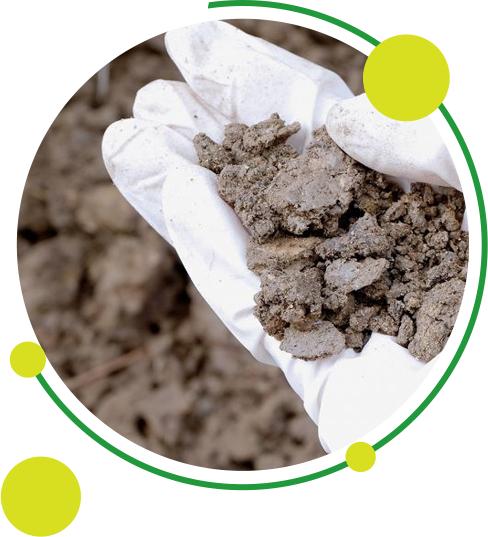
Contaminated soil treatment options
You’ve been asked to find the best way to manage contaminated soil at a client’s property in the Northeast.
That work gets complicated fast. You may have dozens of offsite transportation and disposal (T&D) options to compare. These can include landfill disposal, recycling, and beneficial reuse. Some sites may also support onsite treatment, including soils impacted by RCRA hazardous metals or hazardous VOCs.
Your job has two goals:
- Choose the most practical and cost-effective solution
- Maintain full regulatory compliance
Soil volume often adds another layer. The more material you have, the more likely you’ll find more than one soil classification. On large projects, teams often use more than one disposal facility. That approach can lower hauling costs and keep the project moving.
Every project has a best-available path forward. The key is finding it quickly, and supporting it with defensible data.
Start with the site-specific details that drive disposal and treatment decisions:
- Location and access
- Contaminant types and concentrations
- Total volume
- Site history
- Soil characteristics and handling conditions
- Debris content, odor, and moisture
- Particle size (gradation)
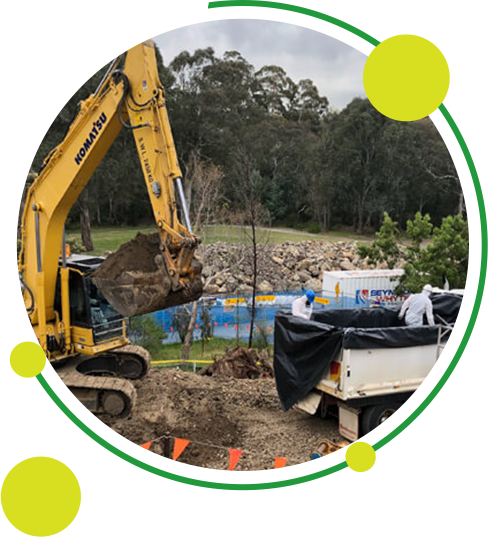
What to do with contaminated soil?
Choosing an offsite disposal facility can feel like a moving target. New reuse facilities come online. Existing facilities also adjust their permitted limits when states update rules or permits. When those limits change, your “best option” can change with them.
Over the past three decades, the contaminated soil disposal industry has seen steady regulatory change. Expect that pace to continue as environmental requirements evolve across the region.
That’s why facility selection requires more than a quick price check. It takes working knowledge of each site’s acceptance criteria and permit conditions, including landfills, recycling facilities, and reuse locations that serve the Northeast.
When you match the soil profile to the right facility, you reduce risk, avoid delays, and protect your budget.
For more information, contact Rich Rivkin of Enviro-Disposal Group,